
Looking Up Your San Francisco Neighbors
A San Francisco block lookup works when the source and question stay together. San Francisco PIM can show which polygons touch a target parcel. A San Francisco assessment record can show ownership context. San Francisco DBI can show a permit or complaint. A historical San Francisco block book can show an owner at a snapshot. An archived San Francisco voter register can show a registered voter in its covered year. A San Francisco community organization can show a public officer or meeting contact. None is a complete neighbors directory.
| Source | What it shows about a block | Access |
|---|---|---|
| San Francisco Property Information Map | Adjacent San Francisco parcels, addresses, geometry, zoning, planning and permit context | Free interactive viewer |
| San Francisco Assessor and Recorder | San Francisco parcel assessment, ownership route, recorded parties and legal descriptions | Web, counter, copy request |
| San Francisco DBI Permit Tracking | Work, contractor or applicant, complaints, inspections and dates | Free portal; records limits |
| San Francisco historical block books | Owner names and lot dimensions at selected snapshots | San Francisco History Center; notice for some sets |
| San Francisco Great Registers | Covered voters by address, age, party and sometimes occupation | Archival years and restrictions |
| San Francisco community organizations | Public officers, business members, meetings and contact routes | Organization-specific public information |
San Francisco ownership, public activity, historical listing, and community contact are different kinds of evidence. Label them separately when neighbors are compared around one San Francisco block.
Map San Francisco Neighbor Parcels in PIM
The San Francisco Property Information Map uses a visual adjacent-parcel method. Search the San Francisco target address, zoom until parcel outlines are visible, click the target property panel, then click each immediately abutting polygon along both sides, across the street, and at the corners. San Francisco map pan, zoom, and identify controls replace a public “all neighbors” button.
- Search the known San Francisco address and save its block, lot, geometry, and cross streets.
- Click the San Francisco parcel beside the target and record its address and block and lot independently.
- Repeat for the other side, rear or corner where a San Francisco polygon actually touches the target.
- Open the San Francisco Assessor or DBI record for each parcel, keeping owners and permit actors in separate notes.
- Stop at the intended San Francisco block radius; use the street walkthrough for a full named-street chain.
A San Francisco corner is not always an adjoining lot. Public right of way, a slope, a rear lot, or a condominium subdivision can change the visual answer. A San Francisco building address may contain many assessor lots. Click each parcel rather than assigning one person or owner to the entire building.
[RESEARCH GAP: the required successful GIS-neighbor screenshot was not present in the manifest.] The live PIM viewer remains the official parcel route.
San Francisco Owner Records and Blocks
San Francisco's property roll identifies San Francisco assessment and ownership context. A San Francisco tax-mailing address can differ from the situs. It may point to an owner, trust, business manager, or another destination. The result can suggest an absentee owner, but it cannot prove who occupies the parcel. The 2020-2024 owner-occupied share reported by Census QuickFacts was 38.2%, a reminder that a San Francisco owner search misses much of the population.
San Francisco recorded documents add grantor, grantee, instrument, date, book or page, document number, and legal description. Those facts establish an interest in land. They do not create a roster of the people next door. Utility accounts, DMV addresses, delivery records, children, protected residents, and many household members remain outside a public San Francisco block map.
- San Francisco adjacent parcel
- A mapped polygon that touches the target geometry, subject to right-of-way and mapping detail.
- San Francisco situs
- The physical San Francisco parcel address, which can differ from a mailing destination.
- San Francisco owner
- A person or entity connected to an assessment or recorded interest, not necessarily an occupant.
- San Francisco block record
- A source tied to a physical area or historical snapshot, not a universal list of neighbors.
San Francisco Permit Activity Across Blocks
The San Francisco DBI Permit Tracking portal accepts address, block and lot, permit or application number, and start or end dates. Results can expose application or permit number, work description, filing, issuance and completion status, estimated cost, contractor, complaints, and inspections. A San Francisco permit applicant is a person connected to a project at a date, not a neighbor identity.
San Francisco DBI is useful for comparing a block's chronology. A cluster of San Francisco permit activity may explain a rebuilt structure, an address change, or a parcel split. Plans and some records need Records Management access, and privacy, copyright, and security redactions may apply.
The California professional-license search is the source represented in the next capture.
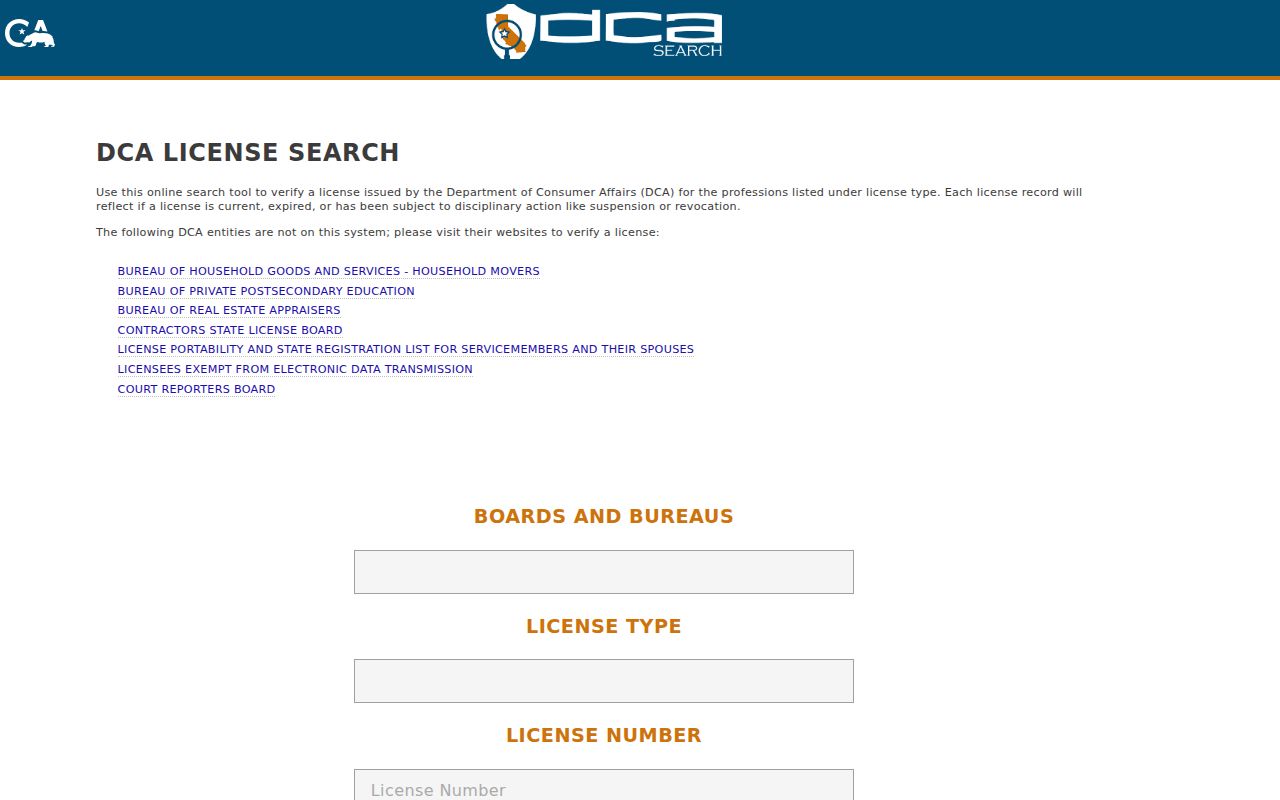
A public role or project record can add block context, but it should not be reworded as proof that a person lives nearby.
San Francisco Historical Block Books
San Francisco History Center block books include 1894, 1901, January and October 1906, 1907, 1909 or 1910, 1925, and partial earlier and later sets. They show San Francisco owner names, lot dimensions, and physical context at selected moments. Annotated 1907 and 1909 books can bridge multiple San Francisco assessment years. A block book is not a current neighbors list, but it can explain how a San Francisco block changed.
Sanborn maps add San Francisco building footprint, use, materials, and street-number context. The January and October 1906 pair is especially valuable around the San Francisco earthquake and fire. Compare San Francisco block-book geometry with PIM and deeds before assuming that a modern parcel is identical to an older lot.
The San Francisco previous residents trail uses these sources for one address. A neighbors search uses them to understand the surrounding San Francisco block and should keep the two scopes separate.
San Francisco Voters and Neighbor Rules
Great Registers are historical address sources. San Francisco holdings cover 1866-1964 with an incomplete 1985 set, and online portions cover 1867-1940. They may list a San Francisco voter, address, age, party, and sometimes occupation. Ancestry Library Edition can search California voter registrations with a quoted address for San Francisco 1900-1940. Access to 1945-1964 San Francisco material needs 48-hour notice.
Modern San Francisco voter information works differently. The San Francisco Elections Voter Portal authenticates one voter with house number, ZIP Code, and date of birth. It does not allow a by-name browse of nearby neighbors. Broader San Francisco voter-file requests are restricted by Elections Code sections 2188 and 2194 and related regulations. Confidential voters and Safe at Home participants are protected.
The portal capture assigned to the neighbor research was not available as a successful image. Use the official voter portal only for the voter who can authenticate.
San Francisco Neighbor Organizations
San Francisco's neighborhood layer includes the San Francisco Mayor's Office of Neighborhood Services, Cultural District organizations, merchant corridors, Community Benefit Districts, district supervisor pages, SF Heritage's Legacy Business Directory, and public boards or commissions. Public San Francisco listings may show an officer, business member, meeting calendar, liaison, or contact route. They usually do not publish private household membership.
| Community layer | Public information likely to appear |
|---|---|
| San Francisco Cultural District organizations | Public contacts, programs, calendars, and community history for designated districts. |
| San Francisco merchant corridors and benefit districts | Businesses, boards, meetings, and public improvement contacts. |
| San Francisco neighborhood liaisons | District or city contact routes, not a private resident roll. |
| San Francisco boards and commissions | Appointees, seats, terms, appointing authority, and public contact information. |
| San Francisco congregations and clubs | Voluntary public events or organizational contacts; member rosters are generally private. |
[RESEARCH GAP: no successful neighborhood-association directory capture was present in the manifest.] The public contact or meeting page of each organization controls its current information.
San Francisco Public Affiliations
California public searches can add a narrow affiliation layer when a block question concerns a business or professional role. bizfile Online can show entity name, status, formation, principal or mailing address, agent, and recent filing PDFs. The DCA search can show license status, issue and expiration dates, address of record, and board-dependent discipline.
Federal and state custody or registry tools can be useful only for the person category they name and the warnings they carry. CIRIS says its information is not an official CDCR record and may contain omissions or mistaken identity. The Bureau of Prisons locator has its own coverage limits. California's Megan's Law site carries statutory warnings and should never be used to approach a person.
The California business search capture shows an entity route that is about an organization, not a private household.
A dated entity filing may corroborate a name or public role while leaving the block's occupant question open.
San Francisco Registry Warnings
California's official state lookup tools illustrate why a neighbors search must respect record limits. CDCR CIRIS allows name or CDCR-number search after its disclaimer and may return a name, age, number, location, commitment county, admission, or parole information. The Bureau of Prisons locator uses name or identifying-number modes and primarily covers 1982 onward. Neither is a general address or neighbor list.
California's Megan's Law site offers name and map or address-area modes with statutory warnings. A displayed map category is not permission to confront, follow, or identify a private household. Read the agency's warning and use the official reporting or safety route when needed.
The federal locator capture shows the separate custody source.
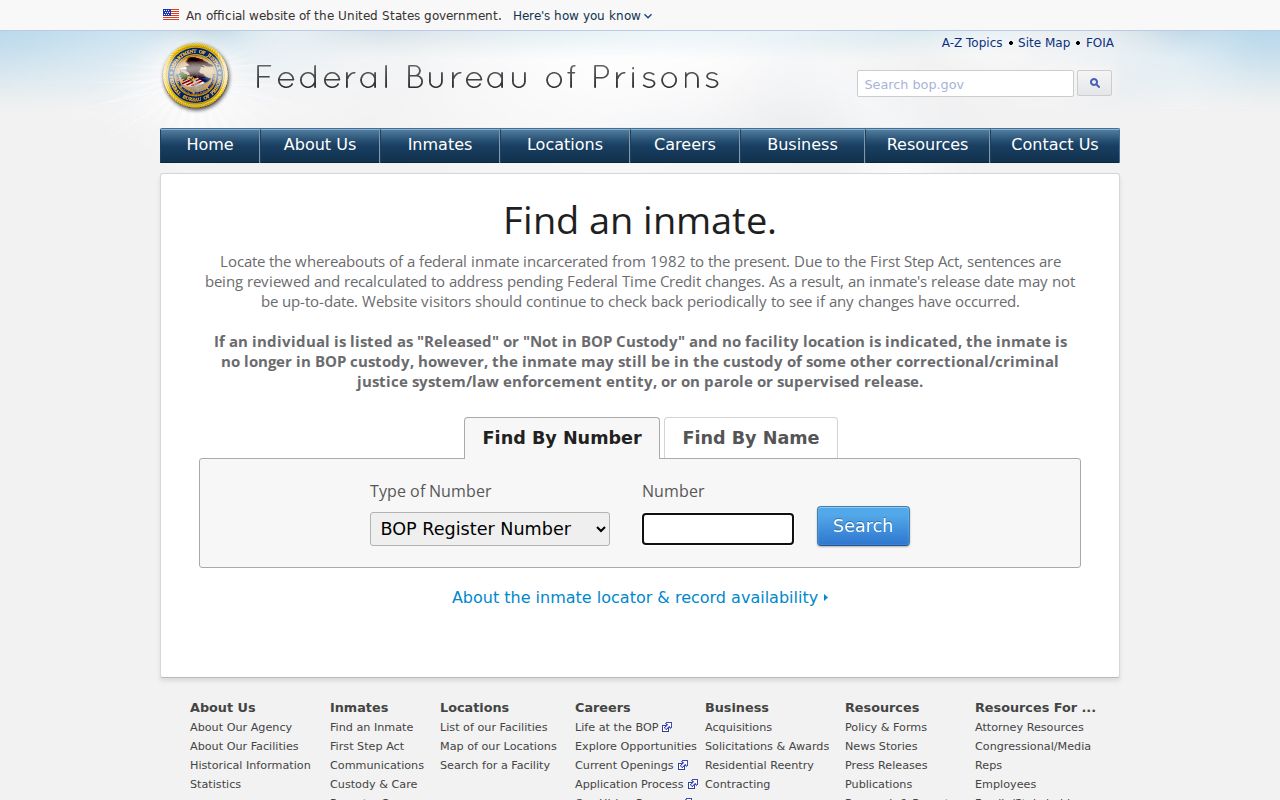
The federal locator is a separate custody source with separate coverage, not evidence about a block.
The state search capture shows why mistaken identity warnings belong beside any name result.
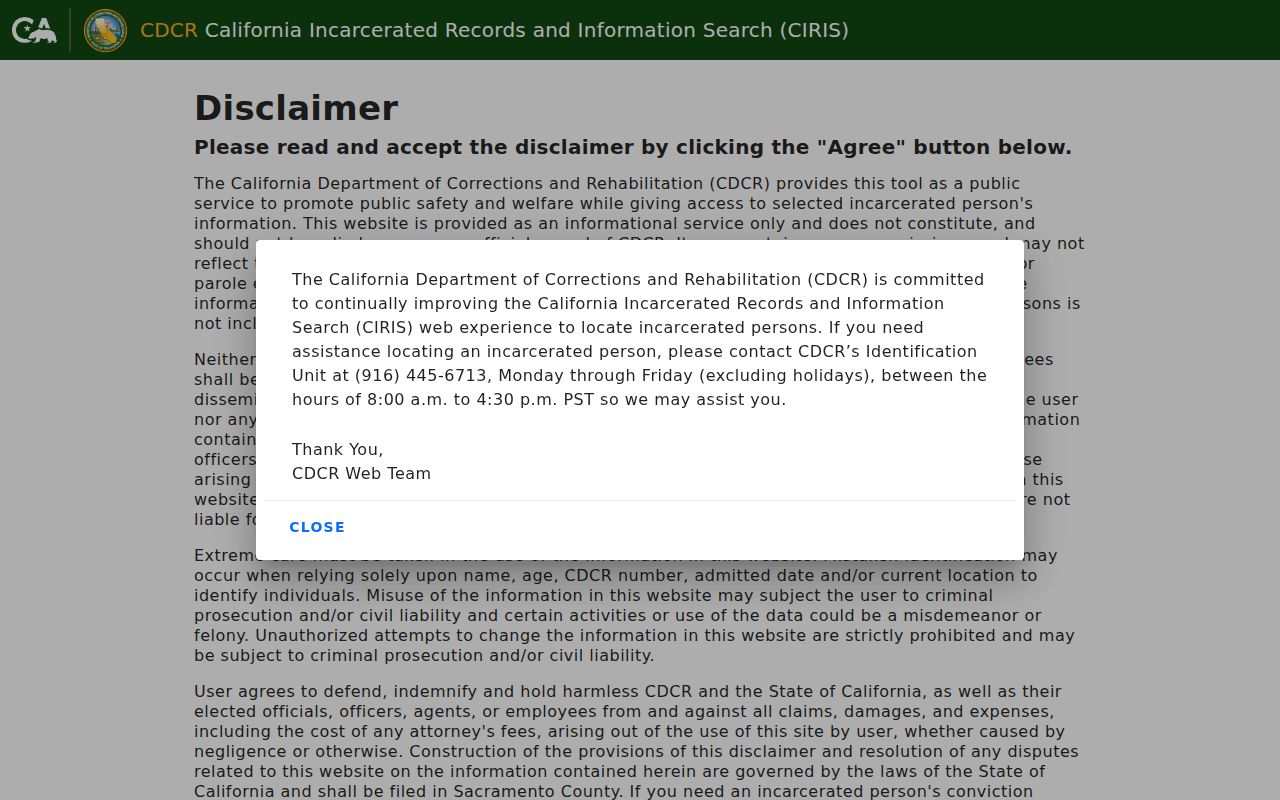
A lookup result is only as reliable as the record category, date, and identity checks behind it.
California's Megan's Law search is another separate registry route with statutory warnings about use and mistaken identity.
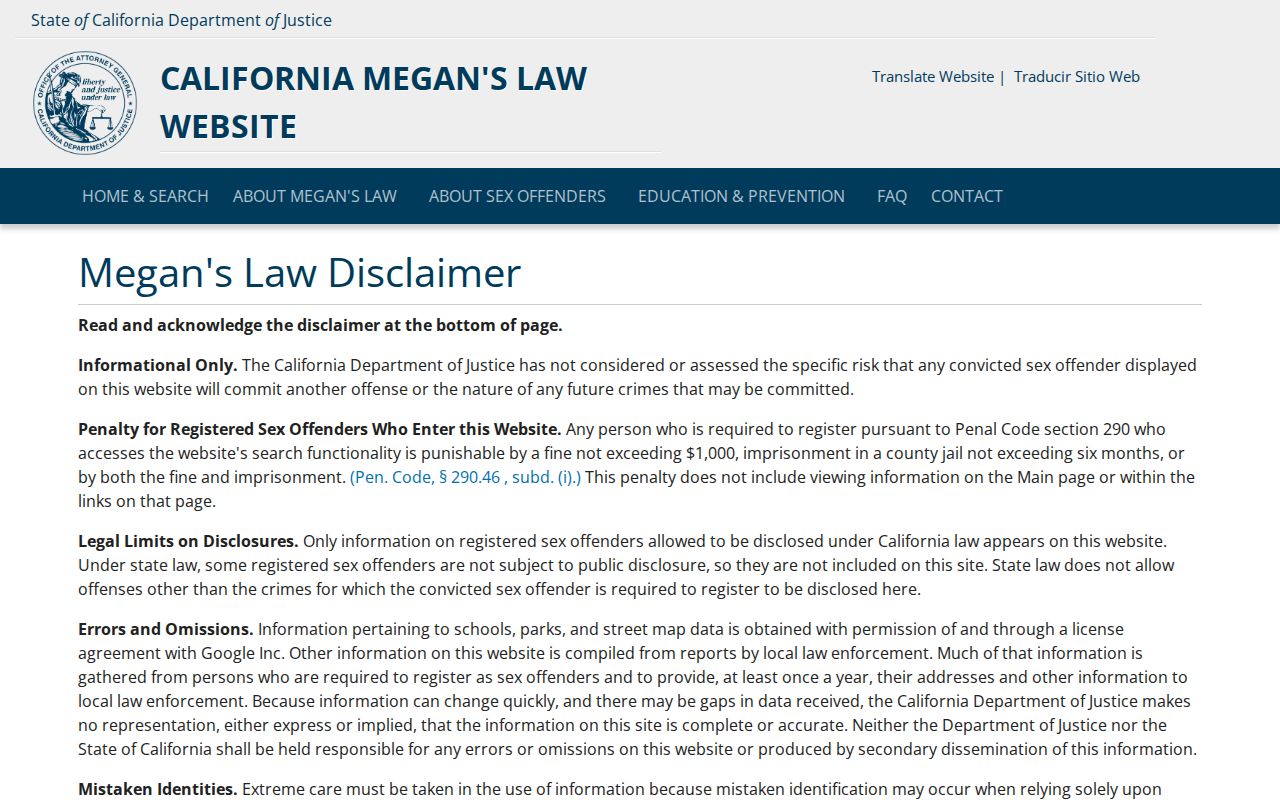
A registry map or name result is not permission to approach a person or infer a private household relationship.
San Francisco Block Sources Versus Compiled Tools
Compiled San Francisco people-search tools may merge public filings and marketing data, omit corrections, or assign an old address to the wrong person. Official sources can be slower, narrower, or restricted, but they expose the keeper and record type. The comparison helps keep a San Francisco neighbors search within its evidence.
| Question | Official block source | Compiled result |
|---|---|---|
| Which parcels touch? | PIM geometry and parcel panels | May infer proximity from an old address |
| Who owns a parcel? | Assessor and Recorder route with block, lot, and legal description | May repeat an outdated owner label |
| What work occurred? | DBI permit, complaint, inspection, and application record | May strip the project date or actor role |
| Which community contact is public? | Organization, district, board, or business page | May imply private membership without support |
Use compiled results only as a lead for lawful personal research. Confirm important facts with the custodian and do not treat an inferred address as a reason to approach someone.
The official entity search is a better affiliation check than an anonymous block claim.
Privacy Limits on San Francisco Neighbors
Unlisted household members and other occupants are not gathered in a general public roster. Utility accounts and DMV addresses are protected. Safe at Home and confidential voter status can hide a qualifying resident. Children, delivery data, protected addresses, sealed cases, and voluntary organization rosters are not open workarounds.
Lawful use. San Francisco neighbors research supports getting to know a block, genealogy, reconnecting, and personal safety awareness. Do not use it to stalk, harass, threaten, intimidate, or harm anyone.
For a full named-street record chain, use the San Francisco street directory. For a past occupant, use previous residents. The immediate block remains a map and public-contact question, not a private household directory.